Comic Bubble
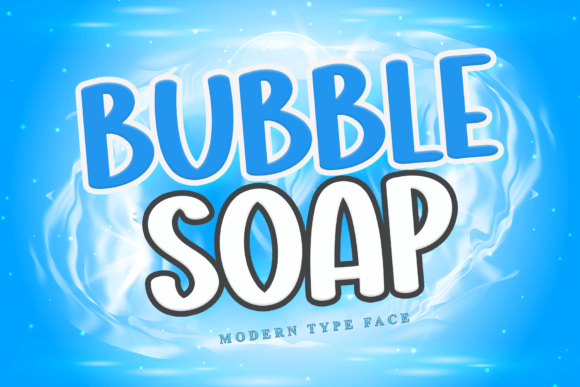
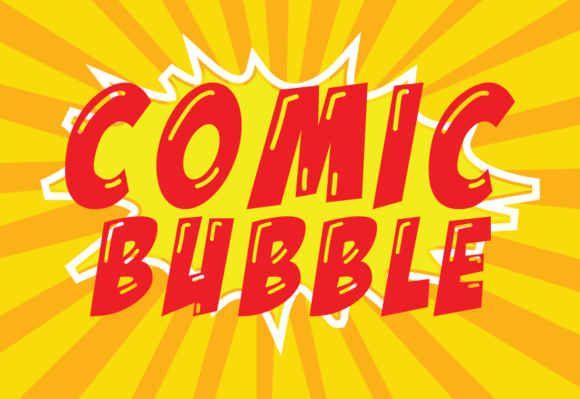
Comic Bubble feels like a burst of energy, a playful yet bold presence that immediately commands attention. The letters are rounded and exaggerated, with thick strokes that give it a sense of weight and character. It’s the kind of typeface that screams “fun” but also carries a level of sophistication that makes it feel purposeful. The overall mood is upbeat and whimsical, making it ideal for projects that aim to capture a youthful or vibrant vibe.
The visual personality of Comic Bubble is unmistakable. It leans into the comic book aesthetic, with its exaggerated proportions and expressive curves. This font isn’t just about readability—it’s about storytelling. Each letter feels like it has a life of its own, which can be both a strength and a challenge depending on the context.
In real-life design work, Comic Bubble shines in specific scenarios. It’s particularly effective for logo design, where its boldness can help a brand stand out. However, it’s not a one-size-fits-all solution. When used in brand identity, it works best as a secondary or accent font, complementing more traditional typefaces. Its playful nature makes it a great fit for packaging design, especially for products targeting younger audiences or those with a fun, trendy appeal.
For social media graphics, Comic Bubble adds a dynamic flair that can make content pop. It’s especially useful for headers, quotes, and short phrases. In editorial design, it can serve as a decorative element, adding visual interest without overwhelming the layout. That said, it’s important to use it judiciously. Overuse can lead to visual clutter, especially when paired with other display fonts.
When it comes to web design, Comic Bubble performs well in large headlines and call-to-action buttons. However, it may struggle with small text sizes, where its thick strokes can reduce legibility. Designers should test it in black and white to ensure it maintains clarity across different backgrounds and color schemes. It’s also worth considering how it looks in various environments—on screen versus in print—and adjusting accordingly.
One of the key considerations when using Comic Bubble is readability. While it’s excellent for large formats, it can become less readable at smaller sizes. This makes it suitable for supporting text only in specific contexts, such as labels or decorative accents. Pairing it with a serif or sans serif font can help balance its boldness and improve overall readability.
In terms of brand consistency, Comic Bubble can be a powerful tool when used strategically. It’s most effective when integrated into a cohesive visual language that aligns with the brand’s identity. For example, a brand that values creativity and playfulness might use Comic Bubble in its logo and promotional materials, while maintaining a more professional typeface for body text.
Audience trust and recognition are also influenced by the choice of font. Comic Bubble can create a sense of approachability and fun, which is beneficial for brands targeting younger demographics. However, it may not convey the same level of professionalism as a more traditional typeface, so it’s important to consider the target audience and the desired tone of communication.
Designers should also think about the commercial implications of using Comic Bubble. As a premium font, it’s designed for commercial use, but it’s crucial to confirm the licensing terms before deploying it in client work or business assets. Ensuring proper usage rights helps avoid potential legal issues and ensures the font can be used across various platforms and formats.
Testing Comic Bubble alongside other typefaces is another practical step. Comparing it with serif, sans serif, script, and handwritten fonts can reveal how it interacts with different styles and how it contributes to the overall typographic harmony. This is especially important when creating font pairings that support a project’s visual goals.
Whether it’s for Canva templates, Cricut projects, or digital products, Comic Bubble offers versatility. Its bold and expressive nature makes it a valuable asset for designers looking to add a unique touch to their work. However, it requires thoughtful application to ensure it enhances rather than detracts from the design.
Ultimately, Comic Bubble is a creative font that brings energy and personality to any project. It’s not just about aesthetics—it’s about creating a connection with the audience. By understanding its strengths and limitations, designers can leverage it effectively to elevate their work and achieve their design objectives.