Boost Your Brand with Nambued: A Handwritten Font for Real-World Business
The Power of a Strong Font in Branding
As a small business owner, you know that first impressions matter. Every piece of your branding—from your logo to your social media posts—plays a role in how customers see your brand. Choosing the right font is one of the simplest yet most impactful design decisions you can make. It shapes your brand’s personality and helps create a consistent visual identity across all touchpoints.
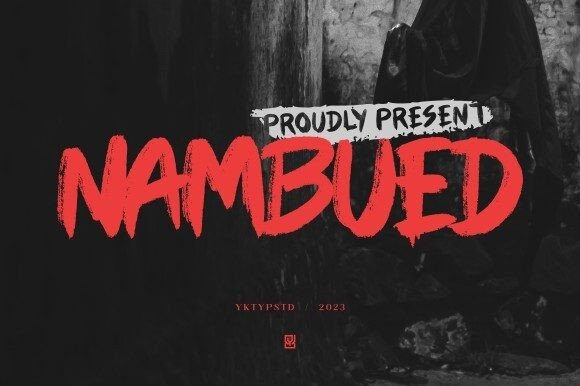
Nambued is a bold, handwritten brush font that brings an unrefined charm and raw energy to your designs. Its intense style adds intrigue and character, making it ideal for businesses that want to stand out in a crowded market. Whether you're launching a new product line or revamping your website, Nambued can help you create a unique and memorable brand presence.
What Is Nambued?
Nambued is a display font designed to capture the essence of handwritten typography. Its bold strokes and irregular curves give it a sense of authenticity and personality. This font isn’t just visually striking—it also conveys a mood of confidence, creativity, and individuality. It’s perfect for brands that want to feel personal, artistic, and authentic.
With its expressive nature, Nambued works well as a headline font, a logo font, or even an accent font. It’s not meant for long blocks of text, but it shines when used strategically to draw attention and create visual interest.
How Nambued Enhances Your Brand Materials
Using the right font can make your brand look more professional and trustworthy. Nambued offers a unique way to communicate your brand’s voice through typography. Here are some real-world applications where Nambued can make a difference:
- Logos: A custom logo using Nambued can immediately convey your brand’s personality. It’s especially effective for creative businesses like boutique shops, art studios, or handmade product lines.
- Product Labels: For handmade candles, skincare products, or artisanal goods, Nambued adds a touch of elegance and uniqueness to your packaging.
- Menus and Menus: If you run a café or restaurant, Nambued can bring life to your menu design. It adds a stylish and approachable feel that appeals to your target audience.
- Social Media Graphics: Instagram posts, Pinterest pins, and Facebook banners can benefit from Nambued’s eye-catching style. It helps your content stand out in a sea of similar visuals.
- Thank-You Cards and Stickers: Nambued adds a personal touch to customer-facing materials like thank-you notes or branded stickers, reinforcing your brand’s character.
By consistently using Nambued across your brand materials, you create a cohesive visual identity that customers will recognize and remember. It helps establish trust and familiarity, which are essential for building a loyal customer base.
When to Use Nambued Effectively
Nambued is best used in situations where you want to make a statement or add visual flair. Here’s how to use it effectively:
- Headline Font: Use Nambued for headlines, titles, and key messages on your website, social media, or marketing materials.
- Logo Font: Pair Nambued with a clean sans-serif font to create a balanced and modern logo design.
- Display Font: Use it sparingly in print and digital formats for emphasis, such as in taglines, call-to-action buttons, or promotional banners.
- Accent Font: Combine Nambued with a readable serif or sans-serif font for a dynamic and visually appealing layout.
- Supporting Typeface: Avoid using Nambued for large blocks of text. Instead, use it to highlight important information or add visual interest.
Remember, consistency is key. Using Nambued in the right places will help you maintain a strong brand identity without overwhelming your audience.
Readability and Practicality
While Nambued is visually striking, it’s important to consider readability in different contexts. For small labels, mobile screens, and printed packaging, ensure that the font size and spacing are appropriate. Test Nambued in various formats before committing to it across your entire brand.
For example, if you’re designing a product label, make sure the text is legible at a glance. Similarly, when using Nambued on social media thumbnails, ensure that the text is clear and easy to read at a distance. These considerations will help you avoid confusion and maintain professionalism.
Font Pairing Tips for Better Design
Pairing Nambued with complementary fonts can enhance your design without overpowering it. Here are a few simple pairing ideas:
- Decorative + Clean Sans Serif: Use Nambued for headlines and pair it with a clean sans-serif font like Montserrat or Lato for body text.
- Expressive + Readable Serif: Combine Nambued with a classic serif font like Georgia or Times New Roman for a refined and elegant look.
- Modern + Vintage: Pair Nambued with a retro or vintage font to create a nostalgic and trendy aesthetic.
Experiment with different combinations to find what works best for your brand. The goal is to create a balance between visual appeal and readability.
Commercial Font Licensing: What You Need to Know
Before using Nambued on products, packaging, templates, or client work, always check the commercial font licensing terms. Some fonts are free for personal use only, while others require a license for commercial purposes. Ensuring proper licensing protects your business and avoids potential legal issues.
Always review the font’s end-user license agreement (EULA) to understand how you can legally use it. This step is crucial for maintaining compliance and protecting your brand’s integrity.
Final Thoughts on Using Nambued for Your Business
Choosing the right font can elevate your brand and make your materials more engaging and professional. Nambued offers a unique blend of boldness and charm that can help your business stand out. By using it strategically, you can create a consistent and recognizable brand identity that resonates with your audience.
Whether you’re designing a logo, creating social media graphics, or labeling your products, Nambued has the power to transform your brand’s visual presence. Start by testing it in a few key areas, then gradually expand its use across your entire brand. With the right approach, Nambued can become an essential part of your design toolkit.